
Megaways Slots Explained: The Maths Behind the Hype
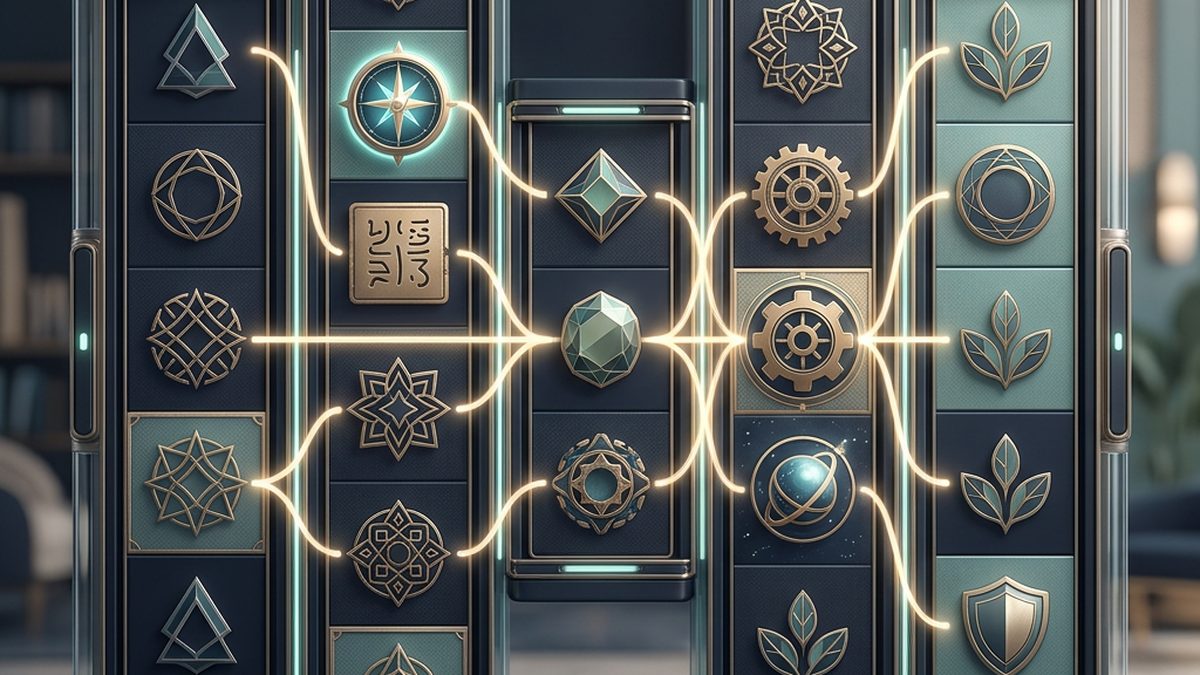
"117,649 ways to win!" is the kind of number that sells a slot on sight. Megaways games are everywhere now, and that colossal figure is their signature — splashed across lobby tiles as if it were a measure of generosity. But what does it actually mean, how do the reels produce a number like that, and — the question that matters — does having over a hundred thousand ways to win make a game better for you? Here is the mechanism behind Megaways, and an honest look at the maths the marketing carefully skips.
How the Megaways mechanic works
A standard slot has a fixed grid — say five reels showing three symbols each — and a set number of paylines. Megaways, a mechanic licensed from a games studio called Big Time Gaming, tears up that fixed layout. On every single spin, each reel displays a variable number of symbols, usually somewhere between two and seven. Because the symbol count changes reel by reel, and changes again on the next spin, the number of ways to win is different every time you press the button.
When all the reels happen to land at their maximum height at once — typically seven symbols on each of six reels — you reach the headline figure. Seven to the power of six is 117,649, which is where that famous number comes from. Most spins produce far fewer ways than the maximum, because the reels rarely all hit full height together. So the big number on the tile isn't what you get every spin; it's the ceiling, reached only when the variable reels all align at their tallest.
What "ways to win" really means
This is the crucial honesty point, and it is where most players are quietly misled. "Ways to win" is not the same as "chances of winning". It is the number of symbol-position combinations that can form a winning line — in Megaways, wins are formed by matching symbols on adjacent reels in any position, rather than along fixed paylines. More ways means small wins land frequently and the game feels lively and active. But the total amount the game returns over time is still governed entirely by its RTP, exactly like any other slot. A huge ways-count does not mean a higher return; it means the same return is delivered through many small, frequent combinations rather than a few fixed lines. Always check the RTP before you judge a Megaways game — the ways-count is presentation, not value. A slot boasting 117,649 ways and a 94% RTP is a worse deal than a plain 25-line slot at 96.5%, however much smaller the headline sounds.

Cascades, tumbles and the extra features
Megaways slots rarely arrive alone — they usually come bundled with a set of features that amplify their character. The most common is the cascade (or tumble) mechanic: when you land a win, the winning symbols disappear and new ones drop in to fill the gaps, giving you a chance at consecutive wins from a single spin. Many Megaways games chain this with a rising win multiplier during free-spin rounds, so each cascade in the bonus pays more than the last.
These features are genuinely exciting and are a big part of why the format took off — a single spin can unfold into a cascade of wins, and the bonus rounds can build to large multipliers. But they also concentrate the game's payouts into those relatively rare bonus moments, which is a large part of why Megaways slots behave the way they do: long, quiet stretches punctuated by occasional big features. The mechanic is fun; just recognise that the fireworks in the bonus round are funded by the flatter spells between them.
Why the format took over
It's worth understanding why Megaways spread so fast, because it explains both the appeal and the pitfalls. When Big Time Gaming introduced the mechanic, it did something no fixed-payline slot could: it made every spin structurally different, with the number of ways to win changing constantly, which kept the base game feeling unpredictable and alive. Players responded to that energy, and the studio licensed the mechanic out widely, so hundreds of games from many different studios now carry the Megaways name — you'll see it stamped across lobbies as a selling point in its own right.
That popularity is a double-edged thing for players. On the plus side, it means huge choice and genuine competition, with some excellent, well-designed Megaways titles among them. On the minus side, the name became a marketing badge, so plenty of ordinary or below-average games now wear it purely to catch the eye, trading on the format's reputation rather than earning it. The lesson is the one that runs through all of slots: the label tells you the mechanic, not the quality. A game being Megaways tells you how the reels behave; it tells you nothing about whether the RTP is fair or the features are worth playing. Judge each Megaways slot on its own numbers, and treat the badge as a description, not a recommendation.
Megaways runs high volatility
Most Megaways slots are high-volatility games, and understanding that is the key to playing them without frustration. The combination of variable reels, cascades and big multipliers in the bonus creates the potential for large payouts — but also long dry spells with small or no wins between them. That is the trade Megaways makes: a lively, active base game with frequent tiny wins, and the real money concentrated in rare, high-multiplier feature rounds you may spin a long time to reach. If you understand slot volatility, you will recognise the pattern instantly — and know to size your stake small enough that your bankroll survives the gaps between features. Playing a high-volatility Megaways slot at too large a stake for your balance is the fastest way to a short, disappointing session.
How to spot a good Megaways slot
Since Megaways is a mechanic rather than a single game, quality varies enormously across the hundreds of titles that use it — and knowing what separates a good one from a poor one saves you from picking by cover art alone. Start, as always, with the RTP: a strong Megaways slot publishes an RTP around 96% or better, while a weak one may quietly run at 94% or lower, and since the mechanic is identical either way, the RTP is where the real difference lives. Next, look at the maximum win, usually expressed as a multiple of your stake — Megaways slots often advertise huge max wins (10,000x, 20,000x or more), which both signals high volatility and tells you where the game concentrates its payouts.
Then consider the features. The best Megaways games pair the reels with well-designed cascades and a bonus round whose multiplier mechanics give a genuine shot at those big wins; the weaker ones bolt the Megaways name onto a thin game to ride the format's popularity. And check the bet range against your bankroll, because a high-volatility game needs a stake small enough to survive the dry spells. A good Megaways slot, in short, is one with a fair RTP, a volatility level you've chosen deliberately, and features that do something rather than just decorate. The 117,649 on the tile tells you none of that — the game information screen tells you all of it.
Are Megaways slots worth playing?
They are genuinely fun, and the shifting reels plus cascades make for engaging, unpredictable gameplay — there is a real reason they became so popular so fast. But judge them exactly as you would any slot, ignoring the theatre of the ways-count. Check the RTP, because the headline number doesn't change it. Understand they tend to be high volatility, and match your stake to your bankroll accordingly. And treat the 117,649 as marketing rather than as any indication of value. A Megaways slot with a good RTP and a volatility level that suits how you like to play is a perfectly good choice; the impressive number on the lobby tile should never be the reason you pick it. Choose on the maths, enjoy the mechanic, and let the big number be nothing more than a bit of flavour.
A note on responsible play
The excitement of a feature-rich, high-volatility slot can pull you into chasing the big bonus round — but no slot can be beaten over time, and the house edge applies regardless of how many ways to win the tile advertises. The bonus is not owed to you, and it is not "close" just because you have spun a while without it. Set a budget, size your stake for high volatility, use the deposit and time limits your casino provides, and stop when the budget is gone rather than chasing the feature. If play stops being fun, GamCare and the National Gambling Helpline (0808 8020 133) are there. 18+ only.
Megaways Slots — Your Questions Answered
What does "ways to win" mean in Megaways?
It is the number of symbol-position combinations that can form a win, not your chance of winning. Wins form by matching symbols on adjacent reels in any position. The headline 117,649 is the maximum, reached only when all reels land at full height.
Do more ways to win mean a higher return?
No. The total return is governed by the RTP, the same as any slot. A huge ways-count means the return comes through many small combinations, not that the game pays more. Always check the RTP, not the ways number.
Why do the reels change size each spin?
That is the Megaways mechanic — each reel shows a variable number of symbols (often two to seven) per spin, so the ways to win change every time. When all reels hit maximum together, you get the headline figure.
Are Megaways slots high volatility?
Most are. Variable reels, cascading wins and big bonus multipliers create potential for large but infrequent payouts, with small or no wins in between. Size your stake for the dry spells and treat it as a high-variance game.
Are Megaways slots better than normal slots?
Not inherently — they are a different, livelier mechanic, not a better-value one. Judge them like any slot: check the RTP, understand the high volatility, and treat the ways-count as marketing rather than value.
See our full list of verified licensed British casinos — every casino checked against the UKGC public register.
Browse slots casinos →18+ only. Please gamble responsibly.
Free help available: begambleaware.org | Helpline: 0808 8020 133
Related Posts