
Online Roulette Explained: Variants, Odds, and Where the House Edge Hides
Roulette is the most recognisable game in any casino, and one of the simplest to play — place a chip, watch the wheel, win or lose. But beneath that elegant simplicity sits a single design choice that quietly doubles the house edge against you, and most players never think to check for it before they sit down. Here are the variants you'll meet online, the real odds behind the bets, why no betting system beats the wheel, and how to make sure you're always playing the fairest version available to you.
The one detail that matters most: the zeros
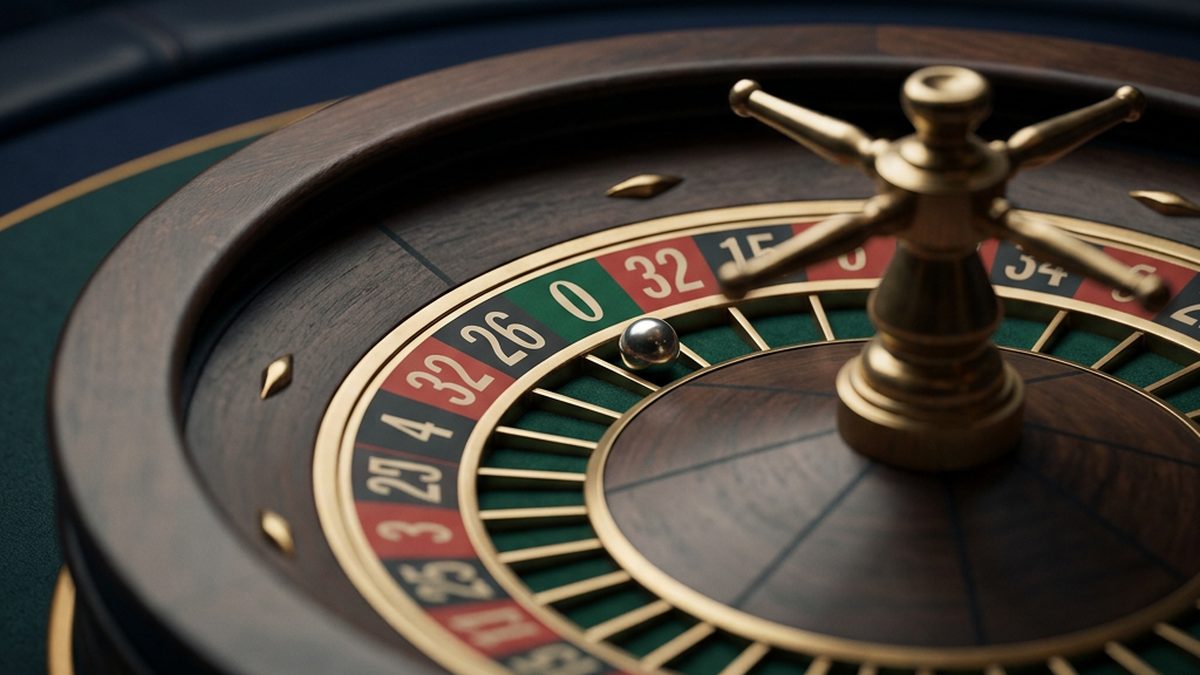
The single most important thing in roulette is the number of green zero pockets on the wheel. European roulette has one zero (37 pockets in total) and a house edge of 2.70%. American roulette adds a second green pocket — a double-zero (38 pockets) — which nearly doubles the house edge to 5.26%. Same game, same bets, same payouts, but the American version takes roughly twice as much from you over time, purely because of that one extra pocket. You can tell the two apart in a second: one green zero or two. The rule is simple and absolute — always prefer European (single-zero) roulette wherever you can, and avoid the American wheel unless you specifically want its layout. We weigh table quality and fairness when rating casinos on the table games hub, and the roulette variants a casino offers tell you a good deal about how it treats players.
It's worth knowing why one pocket matters so much. Roulette is paid out as if the wheel had 36 pockets — a straight-up bet on a single number pays 35 to 1, which would be exactly fair on a 36-pocket wheel. But the real wheel has 37 (European) or 38 (American) pockets. That extra slot or two never appears in the payout, but it absolutely appears in the odds, and the gap between the two is precisely where the casino's profit lives. One extra pocket out of 37 is a 2.70% edge; two out of 38 is 5.26%. The maths is that clean, and that unforgiving.
French roulette: the best version of all
If you can find it, French roulette is often the best-value roulette on offer anywhere. It uses the same single-zero wheel as European, but adds a rule — called "La Partage" or "En Prison" — that applies to even-money bets (red/black, odd/even, high/low) when the ball lands on zero. Under La Partage, you get half your even-money stake back when zero hits; under En Prison, your stake is held for the next spin and returned in full if it wins. Either way, the effect is the same: it halves the house edge on those even-money bets to just 1.35%.
That 1.35% is the lowest house edge available in any standard roulette game — better than European, and in the same territory as good blackjack. It applies only to the even-money outside bets, not to straight-up or other inside bets, but if red/black-style betting is your style, French roulette is comfortably the best table in the house. It's less common online than European, but it's worth seeking out, and player-focused casinos often highlight it precisely because it offers such favourable odds.
The bets, and why they all carry the same edge
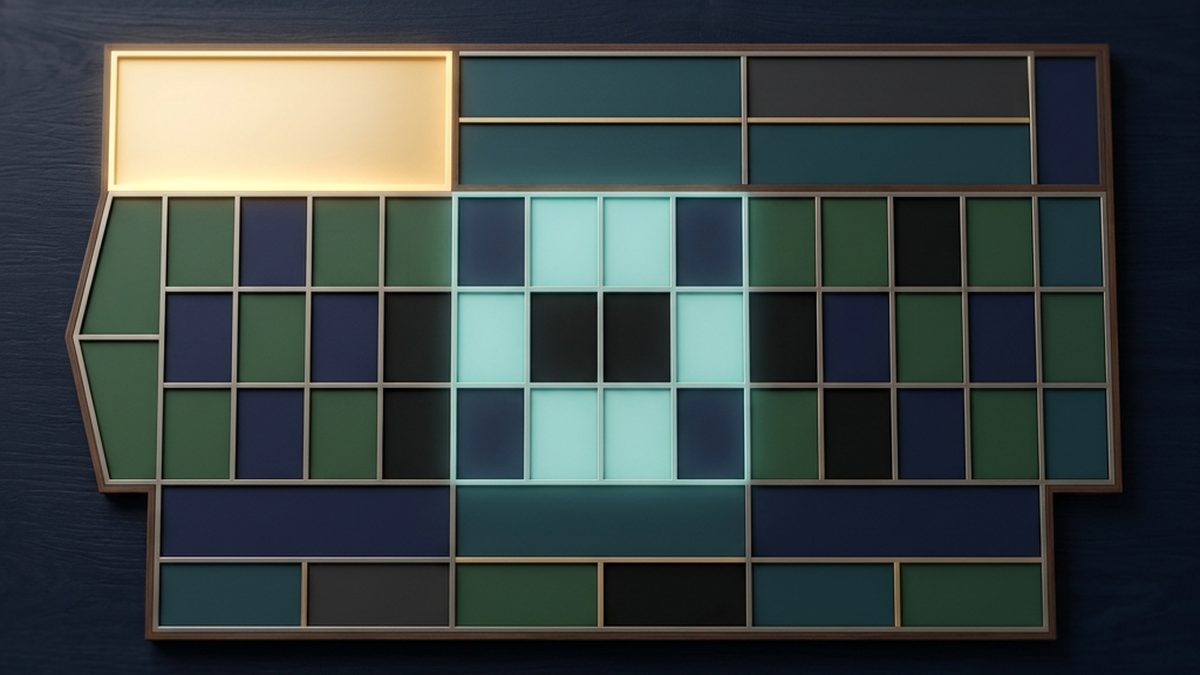
Roulette bets split into two groups. Inside bets are placed on specific numbers or small clusters — a single number (straight up) pays 35 to 1 but lands rarely; splits, corners and lines cover more numbers, pay less, and hit more often. Outside bets cover large areas — red or black, odd or even, high or low, or the dozens and columns — paying even money or 2 to 1 and landing far more frequently.
Here's the part that surprises people: no bet is mathematically "better" than another. On a European wheel, every bet carries the same 2.70% house edge, because the payouts are all calibrated from that same 36-versus-37 gap. The payout formula makes it plain — (36 ÷ numbers covered) − 1 gives you the odds for any bet, and the "missing" unit is always the house edge. So a straight-up bet and a red/black bet cost you the same over time; they simply trade frequency for size. What you choose shapes the experience — thrilling and rare, or steady and frequent — not the long-run maths. The only genuine edge-reducer is the wheel and rules you pick, not the bet.
Choosing your bets for the experience you want
Since every bet on a European wheel carries the same 2.70% house edge, your choice of bet isn't about beating the maths — it's about choosing the experience you want from the session, and that's a genuinely useful thing to think about deliberately. If you want a long, steady session where you're involved in most spins, the outside even-money bets (red/black, odd/even, high/low) land close to half the time and keep your bankroll ticking over gently, giving you plenty of play for your money. This is the low-drama, long-session way to play roulette.
If you're after excitement and the chance of a bigger hit, the inside bets — straight-up numbers, splits, corners — pay far more but land rarely, so your balance will swing harder and you'll sit through more losing spins for the chance at a 35-to-1 win. Most players enjoy a mix: a few chips on even-money bets to stay in the game, and the occasional straight-up bet on a lucky number for the thrill. None of this changes what you'll lose over time — the edge is identical across all of it — but it completely changes how the session feels. Thinking about roulette this way, as a choice of experience rather than a hunt for the "best" bet, is how you get the most enjoyment from a fixed-edge game. The smart question isn't "which bet wins me more" but "which bet gives me the session I actually want".
Why betting systems don’t work
You will see roulette "systems" everywhere — Martingale (doubling after every loss), D'Alembert, Fibonacci, and countless betting patterns promising to beat the wheel. None of them work, and it's important to understand why, because the belief that they might is expensive. Each spin is completely independent, and the house edge applies to every single bet regardless of what came before. A system only rearranges your bets; it cannot change the underlying maths, because the wheel has no memory of the last spin and no obligation to "balance out".
Doubling-up systems like Martingale are especially dangerous. A losing streak — which is entirely normal — escalates your stakes with frightening speed, and you can wipe out a large bankroll chasing a small target, or simply hit the table limit and be unable to continue the pattern. The system feels logical right up until the streak that breaks it, and that streak always comes eventually. Roulette is entertainment with a fixed edge, not a puzzle to be solved. No pattern of bets changes that, and anyone selling you one is selling a comforting fiction.
A note on live and "bonus" roulette
Roulette is a staple of the live-casino floor, and you’ll also meet branded "bonus" versions — Lightning Roulette, Quantum Roulette and similar — that layer random multipliers onto straight-up numbers for the chance at a much bigger payout. These are built on a standard single-zero European wheel, so the underlying house edge stays at 2.70%, but the multiplier mechanics are funded by a slightly higher per-spin cost. They’re genuinely fun and the big multiplier hits are exciting, but don’t mistake the spectacle for better odds — you’re paying a little extra per spin for the chance at those multipliers. If you enjoy the live experience, our live dealer casino guide covers what makes a good live floor, and the same 2.70% base edge applies whether you play RNG or live.
Play it well, play it safe
The practical takeaway is short: choose single-zero roulette (European, or better still French with La Partage if you bet even-money), understand that your choice of bet trades frequency for size without changing the edge, and ignore any system that promises to beat the wheel. Set a budget before you sit down, treat any win as a bonus rather than an expectation, and use your casino's deposit and time limits. Roulette is one of the most enjoyable games in the casino when you play the right version and hold no illusions about beating it. If gambling stops being fun, support is available through GamCare and the National Gambling Helpline on 0808 8020 133. 18+ only.
Online Roulette — Your Questions Answered
What is the difference between European and American roulette?
European has a single zero (house edge 2.70%); American adds a second zero, nearly doubling the edge to 5.26%. Same bets and payouts, but American takes roughly twice as much over time. Prefer European wherever possible.
Which roulette has the best odds?
French roulette is often best — it uses the single-zero wheel plus La Partage/En Prison rules that halve the house edge on even-money bets to 1.35%. European is next at 2.70%; avoid American at 5.26% where you can.
Is there a betting strategy that beats roulette?
No. Each spin is independent and the house edge applies to every bet. Systems like Martingale do not work and can escalate losses quickly or hit the table limit. The wheel has no memory, and no pattern changes the maths.
Do inside or outside bets have better odds?
Neither in terms of house edge — on a European wheel every bet carries the same 2.70% edge, because payouts are calibrated from the same gap. Inside bets pay big but rarely; outside bets pay small but often. You trade frequency for size, not edge.
Does live or bonus roulette change the odds?
Live European roulette has the same 2.70% edge as RNG. Branded "bonus" versions like Lightning Roulette keep the 2.70% base edge but add a slightly higher per-spin cost to fund their multipliers. The spectacle does not mean better odds.
See our full list of verified licensed British casinos — every casino checked against the UKGC public register.
Find roulette casinos →18+ only. Please gamble responsibly.
Free help available: begambleaware.org | Helpline: 0808 8020 133
Related Posts